Photo Vera Buhl, CC BY-SA 3.0

What to see

Discover Luras

Three thousand years of olive trees, five thousand of dolmens, and a village that opens its houses every summer.

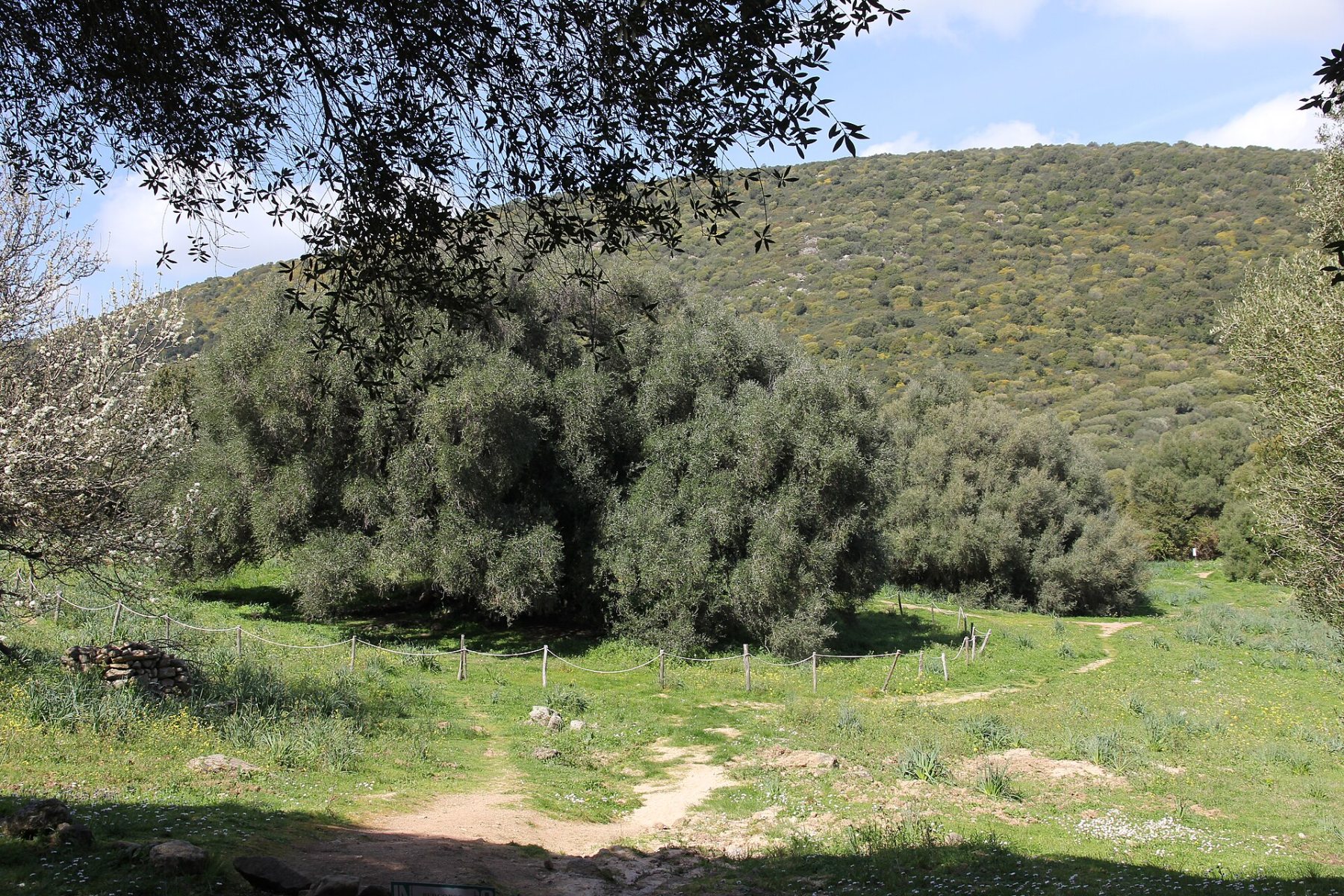
Luras - Olivastri millenari (01). Photo Gianni Careddu, CC BY-SA 3.0, Wikimedia Commons

Thousand-year-old wild olive trees

Santu Baltolu di Carana, near Lake Liscia

In the locality of Santu Baltolu di Carana, a short walk from Lake Liscia, grow the ancient wild olive trees of Luras. The largest, S’Ozzastru, is estimated to be between three and four thousand years old, with a trunk about 12 metres in circumference. Next to it stands a second wild olive of about two thousand years.

Since 2013 the tree has been protected by the Region of Sardinia as a natural monument. It is one of the most visited places in inland Gallura: come in the morning or late afternoon, when the light filters through the branches.
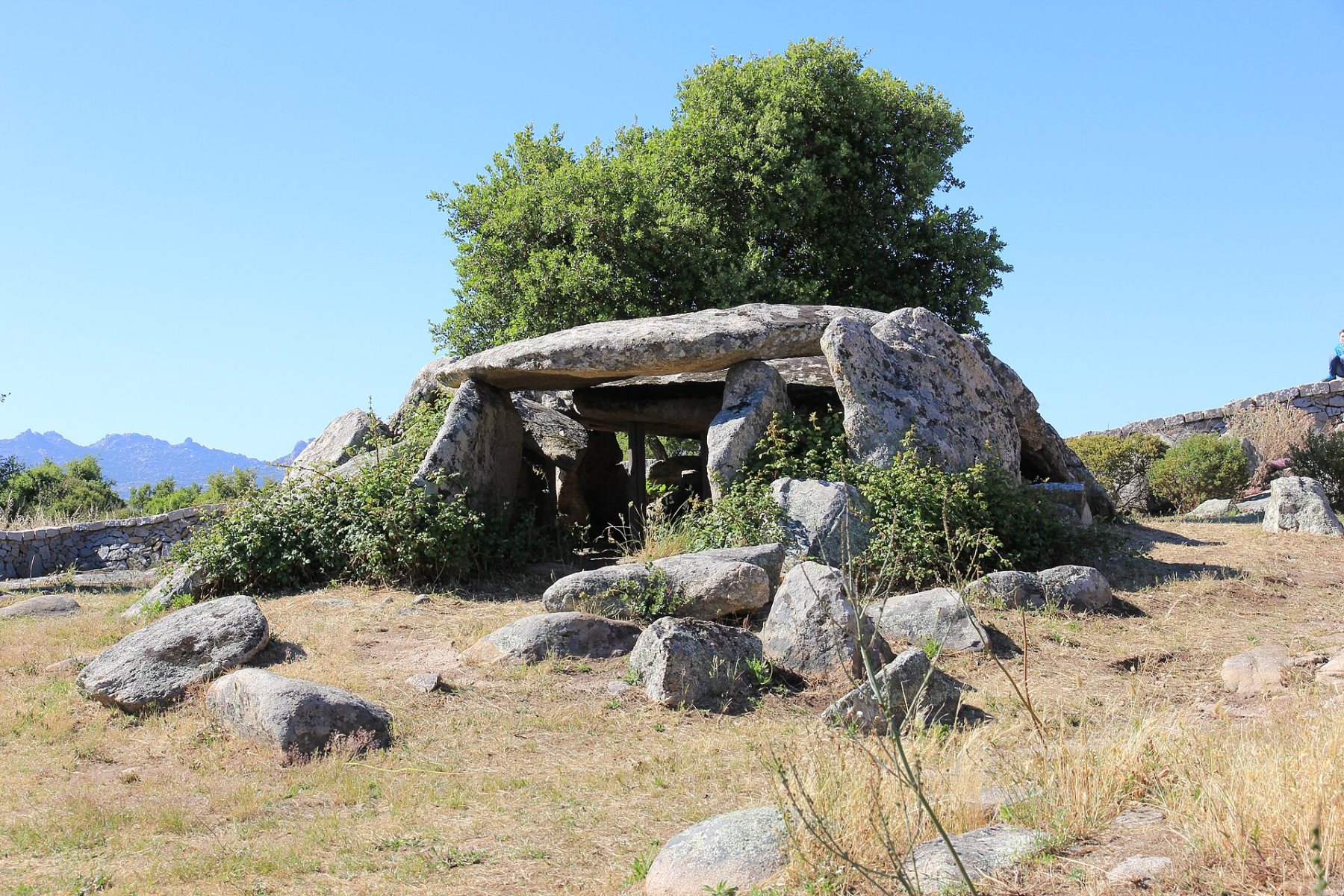
Luras - Dolmen di Ladas (03). Photo Gianni Careddu, CC BY-SA 4.0, Wikimedia Commons

The dolmens of Luras

Ladas, Alzoledda, Ciuledda and Billella

The territory of Luras is home to four of Sardinia’s dolmens: the allée couverte of Ladas and the simple dolmens of Alzoledda, Ciuledda and Billella. They date from the late Neolithic, between 3500 and 2700 BC, and were both collective burial sites and places of worship.

The Ladas dolmen is the most impressive: a gallery six metres long and more than two metres high, covered by two large slabs. The rear slab measures about fifteen square metres.

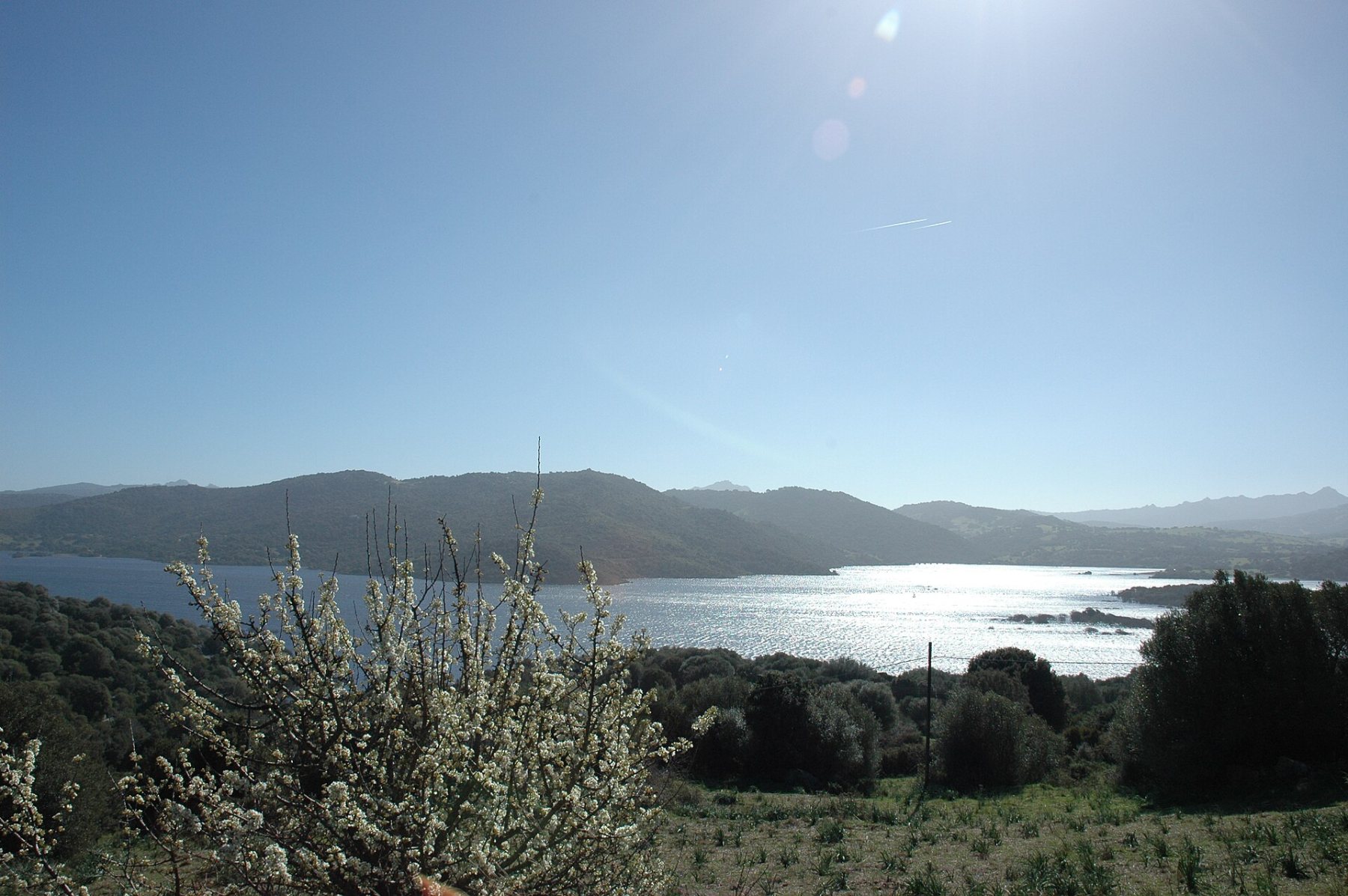
2008-03-02 (7) Luras Stausee Diga Lisca. Photo Vera Buhl, CC BY-SA 3.0, Wikimedia Commons

Lake Liscia

North of the village, among hills and cork oak woods

Lake Liscia opens up among the hills north of Luras, surrounded by Mediterranean scrub and cork oak woods. It is one of the main water reserves of Gallura and one of the most peaceful landscapes in the area.

The paths along its shores are suitable for walks and trekking, and the lake is also popular for fishing. The thousand-year-old wild olive trees stand on its banks.

Galluras Ethnographic Museum

Via Nazionale 35, historic centre

The museum is housed in a late-18th-century home in the historic centre. On the ground floor are the tools of wine-making, farming and herding; on the first floor the kitchen, bedroom and dining room of a Gallurese home; on the top floor the working of cork and wool.

The museum is known for the femina agabbadora, a controversial figure of Sardinian tradition, and holds a simple wild olive branch found in a stazzo (farmstead) near Luras.

Luras - Panorama (01). Photo Gianni Careddu, CC BY-SA 3.0, Wikimedia Commons

The village

Historic centre of Luras

The historic centre of Luras is best discovered on foot, among granite houses and uphill lanes. It is the heart of the Pro Loco’s festivals: during Domos Abbeltas the historic houses open to visitors, with craftspeople, local produce and music.

The area is also known for its wine and cork, which for centuries have shaped the work and the landscape here.

Guided tours

The Pro Loco organises tours for groups and schools to the dolmens, the ancient olive trees and the historic centre. Write to us with the number of people and your preferred dates.

Ask for a guided tour

During the events

The best way to get to know the village is to come during Domos Abbeltas, when the historic houses open their doors, or on summer evenings in the square.

See the calendar